Call Now WhatsApp
Phobjikha Valley Gangtey Bhutan Gangtey Monastery Bhutan Black Necked Cranes in Bhutan
Pristine Glacial Valley

Phobjikha Valley (Gangtey)

Discover Bhutan's most expansive and breathtaking U-shaped glacial valley. Hike the Gangtey Nature Trail, visit the historic monastery, and witness the rare Black-necked cranes. Book our premium Bagdogra to Jaigaon border transit cabs to begin your journey.

Elevation

~9,842 Feet (3,000 m)

Distance

~2.5 Hrs from Punakha

Entry Requirement

Inland Route Permit

Why Visit Phobjikha Valley?

Black-Necked Cranes

Gangtey Monastery

Gangtey Nature Trail

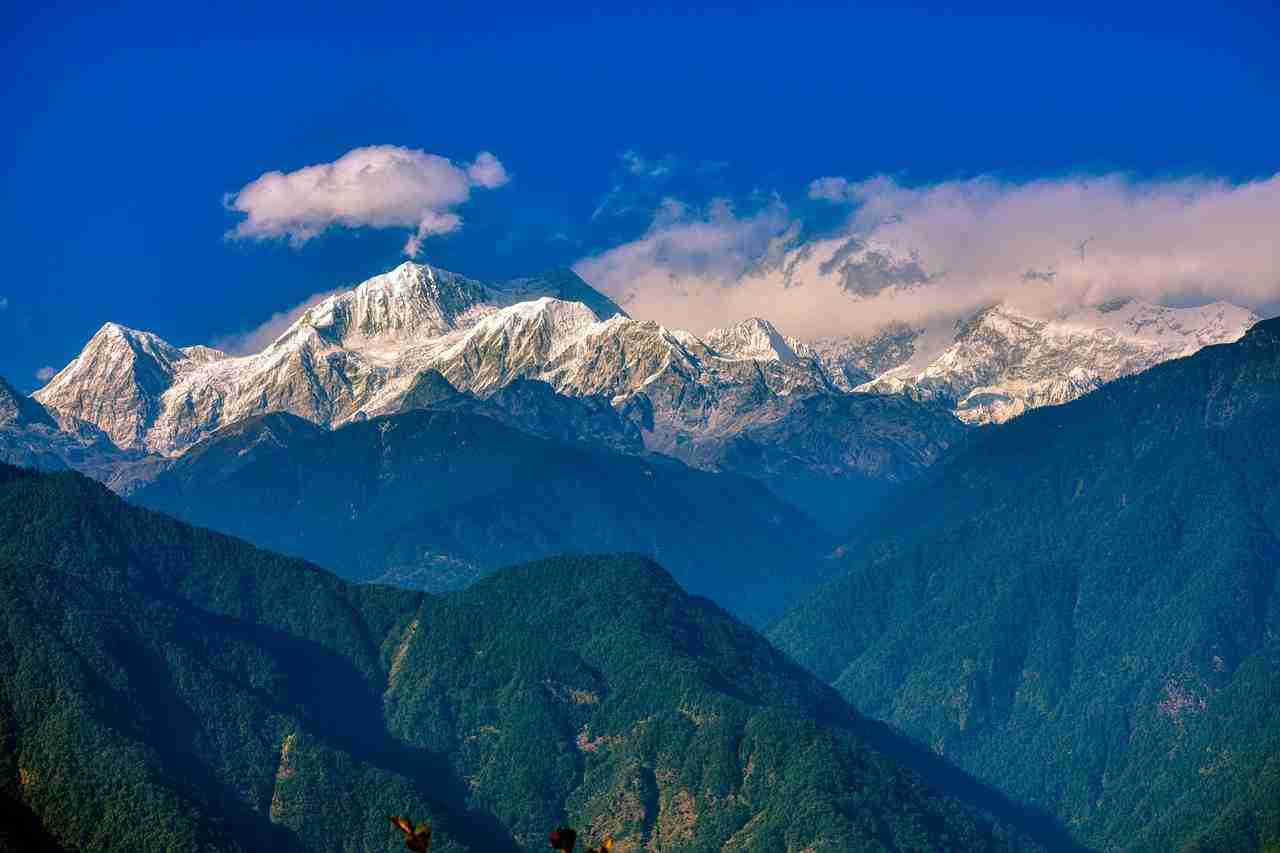
Glacial Landscapes

Authentic Farmstays

Nature Photography

Attraction Overview

Phobjikha Valley, often referred to as Gangtey due to the prominent monastery overlooking it, is a vast U-shaped glacial valley located in central Bhutan (Wangdue Phodrang district). At an elevation of nearly 10,000 feet, the valley is remarkably flat and wide, offering a stark and beautiful contrast to the deep, steep-sided valleys that characterize the rest of Bhutan. The area is fiercely protected as a conservation zone because it is the winter home to the globally endangered Black-necked cranes, which migrate from the Tibetan Plateau.

Visiting Phobjikha is like stepping back in time. The valley floor is free of power lines to protect the flight paths of the cranes, and the area is dotted with traditional Bhutanese farmhouses and dwarf bamboo. The journey to Phobjikha involves a highly scenic, albeit bumpy, 2.5-hour drive from Punakha crossing the Pele La pass. Indian tourists looking to experience this pristine wilderness typically book a Siliguri Cab Rental outstation cab to drop them at the Jaigaon/Phuentsholing border, then rely on a Bhutanese tour operator to process their Inland Route Permits from Thimphu to Wangdue Phodrang.

Bagdogra/NJP to Jaigaon Border

Hatchback (WagonR/Swift)

Max 4 Pax | Budget Drop

₹ 3,500 Approx

Sedan (Dzire / Etios)

Max 4 Pax | Premium Comfort

₹ 4,000 Approx

SUV (Innova / Xylo)

Max 6 Pax | Spacious Transit

₹ 5,000 Approx

WhatsApp Us

*Fares are for point-to-point drops to the Jaigaon/Phuentsholing border gate.

Top Sights in Phobjikha Valley

Discover the harmony between nature and spirituality in central Bhutan.

Gangtey Monastery

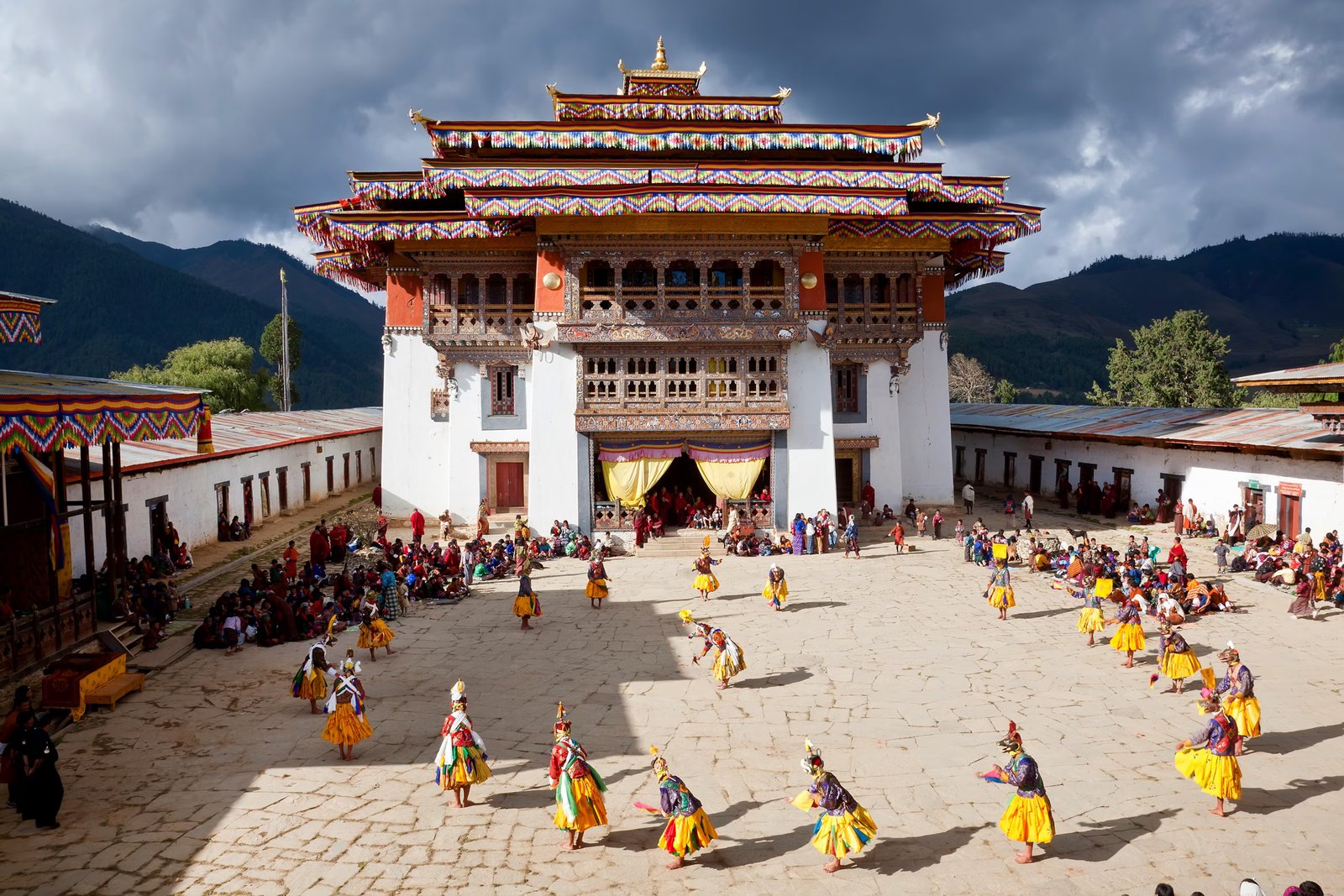
Perched on a small hill that rises from the valley floor, the 17th-century Gangtey Goempa is the largest Nyingmapa monastery in Bhutan. It offers stunning, commanding views of the entire Phobjikha valley below. It is customary for the black-necked cranes to circle the monastery three times when they arrive in winter.

Black-Necked Crane Center

Managed by the Royal Society for Protection of Nature (RSPN), this information center provides powerful spotting scopes to view the cranes roosting in the wetlands without disturbing them. You can also watch a highly informative documentary about their migratory patterns and conservation efforts.

Gangtey Nature Trail

Starting just below the Gangtey Monastery, this easy, 2-hour downhill hike is one of the most beautiful short treks in Bhutan. The trail winds through pine forests, opens up into the vast expanse of the valley, and passes traditional farmhouses, ending near the local school. It is an absolute must-do for nature lovers.

Travel Checklist

What to Pack for Phobjikha

Phobjikha is a high-altitude, open valley. It gets exceptionally cold, and the rural environment demands specific preparation.

Heavy Winter Gear

Because it is a wide, open valley at nearly 10,000 feet, the wind chill factor is intense, especially in the mornings and evenings. If visiting in late Autumn or Winter to see the cranes, thermal innerwear, down jackets, and woolen beanies are absolutely mandatory.

Route Permits

Your initial entry permit acquired at Phuentsholing only covers Thimphu and Paro. To travel beyond Punakha into the Wangdue Phodrang district (where Phobjikha is located), your guide must process an Inland Route Permit at the Thimphu immigration office.

Binoculars & Zoom Lenses

Tourists are strictly forbidden from walking into the wetlands where the Black-necked cranes roost. To get a good view or capture photographs of these majestic birds from the designated trails or the Crane Center, you must carry your own binoculars or a camera with a heavy telephoto lens.

Hard Cash

Phobjikha is highly rural. While luxury resorts accept cards, homestays, small cafes, and souvenir shops around the Gangtey Monastery run strictly on cash. Ensure you withdraw enough Ngultrum or carry smaller Indian Rupee notes before leaving Punakha or Thimphu.

Quick Facts

  • Avg Temp: -5°C to 20°C
  • Elevation: 9,842 ft (3,000m)
  • Permits: Route Permit Required
  • Location: ~75 KM from Punakha
  • Drive Time: ~2.5 Hrs (from Punakha)

Phobjikha Climate & Crane Migration Season

Because Phobjikha is an open glacial valley at high altitude, it is much colder than Punakha. Your timing determines whether you will see the famous cranes:

Late October to Mid-February - The Crane Season (Peak)

This is the absolute best time to visit Phobjikha Valley. During these months, the endangered Black-necked cranes arrive from the Tibetan Plateau to roost in the valley's wetlands. The annual Black-Necked Crane Festival is held on November 11th at the Gangtey Goempa. Be prepared for freezing temperatures, especially at night and early morning.

Spring (March to May) - Lush Greenery

While the cranes have usually departed by early March, spring transforms the valley. The dwarf bamboo turns vibrant green, and the surrounding hills bloom with rhododendrons. The weather is significantly warmer, making it the perfect time for hiking the Gangtey Nature Trail without freezing.

Deep Winter (Late December to January) - Snowfall

The valley often experiences heavy snowfall during deep winter. The white snow contrasting against the dark plumage of the cranes is a photographer's dream. However, the mountain roads (including Pele La pass) can become slippery and temporarily blocked, so travel requires flexibility.

Monsoon (June to September) - Wet & Muddy

The monsoon season turns the valley floor into a marshy bog. While the valley looks stunningly green, the dirt trails for hiking become extremely muddy and slippery. The drive from Punakha can also be dangerous due to dense fog and landslides. The cranes are not present during this time.

Other Nearby Attractions

Explore the surrounding landmarks connected by the Bhutanese highways.

Punakha Dzong Bhutan
Heritage Fortress

Punakha Dzong

The former capital and arguably the most beautiful Dzong in Bhutan. You will typically pass through Punakha before ascending the mountains towards the Phobjikha Valley.

Dochula Pass 108 Chortens Bhutan
Mountain Pass

Dochula Pass

Located between Thimphu and Punakha, famous for its 108 memorial chortens and sweeping 360-degree views of the snow-capped Himalayan ranges.

Thimphu City Sightseeing
Capital City

Thimphu City

The vibrant capital of Bhutan. Visit the massive Buddha Dordenma statue and process your inland permits here before heading eastward to Phobjikha.

Trending Bhutan Tour Packages

Secure your border transit and permits by booking a complete master itinerary.

Bhutan Classic Tour Punakha
Bestseller Classic
4.9

Bhutan Classic Tour (6N/7D)

Covers the golden triangle of Bhutan: Paro, Thimphu, and Punakha. Includes Dochula Pass, Punakha Dzong, and the Tiger's Nest. (Can be extended to Phobjikha).

Cab Type: Border Drop SUV

Custom Price On Request
Bhutan Intensive 7 Nights 8 Days Tour
In-Depth Explorer
4.8

Bhutan Intensive (7N/8D)

Venture deeper into central Bhutan. Covers Thimphu, Punakha, the glacial Phobjikha Valley (Gangtey), and ends with the Tiger's Nest in Paro.

Cab Type: Border Drop SUV

Custom Price On Request
Dooars and Bhutan Combo Tour
Multi-Country Combo
4.8

Dooars & Bhutan Combo

Start with thrilling wildlife safaris in the Indian Dooars, then seamlessly cross the border into Jaigaon for a complete Bhutan cultural circuit.

Cab Type: Border Drop SUV

Custom Price On Request

Travel Guides & Permit Information

Read our expert insights to navigate Bhutan's strict entry rules, internal route permits, and SDF fees.

Bhutan Permit Guide
Permits & Law

Bhutan SDF & Permit Guide 2026

A complete guide to acquiring Bhutan entry permits at the Jaigaon/Phuentsholing border, understanding the new Sustainable Development Fee (SDF), and processing route permits for Phobjikha.

Read More →
Best time to visit Bhutan
Travel Tips

Best Time to Visit Bhutan

Learn about Bhutan's seasonal shifts, from the blooming Rhododendrons in Spring to the Black-Necked Crane migration in Winter. Plan your itinerary accordingly.

Read More →
Car Rental Siliguri
Transportation

Bagdogra to Bhutan Border Taxi

Discover everything you need to know about navigating the 160 KM highway drive from Bagdogra Airport to the Jaigaon/Phuentsholing gate safely.

Read More →

Comprehensive Travel Guide: Planning Your Phobjikha Valley Tour & Inland Permits

Transit from NJP/Bagdogra to the Jaigaon Border

To explore the serene wilderness of the Phobjikha Valley, Indian tourists primarily enter Bhutan by road through the southern border. The main entry point is the Indian town of Jaigaon, located directly opposite the Bhutanese gate of Phuentsholing. Arriving at Bagdogra Airport (IXB) or New Jalpaiguri (NJP) Railway Station in West Bengal is the most practical and cost-effective method to begin this journey.

The distance from Siliguri to the Jaigaon border is approximately 160 kilometers, a journey taking 4 to 4.5 hours through the lush Dooars region. By booking a dedicated Bagdogra to Jaigaon taxi through Siliguri Cab Rental, you secure a private outstation drop directly to the immigration gates. Once you clear customs in Phuentsholing, you will switch to your pre-booked Bhutanese vehicle to proceed up the mountains to Thimphu, Punakha, and eventually central Bhutan.

Understanding the Route Permit and The Drive to Phobjikha

It is absolutely critical to understand Bhutan's internal permit system. The standard Entry Permit you receive at the Phuentsholing border ONLY allows you to travel to Paro and Thimphu. Phobjikha (Wangdue Phodrang district) is considered a restricted area. To travel there, your Bhutanese tour operator must apply for a special "Route Permit" at the immigration office in Thimphu on a working day.

Once the route permit is secured, you will drive from Thimphu, past Punakha, and begin a long, scenic ascent crossing the Pele La Pass (11,150 ft). From the pass, the road drops down into the wide, flat expanse of the Phobjikha valley. The entire drive from Punakha to Gangtey takes about 2.5 to 3 hours. The roads here can be bumpy and rough, so traveling in an SUV is highly recommended.

Important Border Rules and SDF Requirements

Under Bhutan's "High Value, Low Volume" tourism strategy, Indian nationals must pay a mandatory Sustainable Development Fee (SDF) of ₹1,200 per person, per night for the duration of their stay inside the country. You must possess an original, valid Indian Passport or Voter ID to enter the country (Aadhar cards are not accepted for entry permits).

Additionally, Indian commercial vehicles (like our Siliguri-based cabs) face severe restrictions and exorbitant daily permit fees (over ₹4,500 per day) to enter deep into Bhutan. This is why the standard, most economical practice is to use our Indian cabs for a comfortable "Border Drop" to Jaigaon, and then hire local Bhutanese transport for the duration of your stay inside the country.

Phobjikha Travel FAQ

Common questions about cranes, route permits, and border transit.

When exactly can I see the Black-necked Cranes?

The cranes migrate to the Phobjikha valley from the Tibetan plateau in late October and usually stay until mid-to-late February. If you visit outside of this specific winter window, you will not see the cranes, although the valley remains incredibly beautiful for hiking and visiting the Gangtey Monastery.

Do I need a special permit to visit Phobjikha Valley?

Yes. The standard entry permit issued at the Phuentsholing border only covers Thimphu and Paro. To travel beyond Punakha into central Bhutan (Wangdue Phodrang), your guide or driver must physically process an Inland Route Permit at the Thimphu immigration office. This office is closed on weekends and Bhutanese national holidays, so plan your itinerary carefully.

Will your Indian taxi drive me to Phobjikha Valley?

No. Indian commercial vehicles face severe restrictions and exorbitant daily permit fees (over ₹4,500 per day) to enter deep into Bhutan. Our outstation cabs provide a seamless, comfortable drop from Bagdogra Airport or NJP directly to the Jaigaon border gate. Once you clear immigration in Phuentsholing, you must use a pre-booked local Bhutanese vehicle to travel up to Thimphu, Punakha, and Phobjikha.