Call Now WhatsApp
Buddha Dordenma Thimphu Bhutan Tashichho Dzong Thimphu Thimphu Valley Views
Heart of the Dragon Kingdom

Thimphu City Sightseeing

Explore the vibrant capital of Bhutan. Visit the colossal Buddha Dordenma, the majestic Tashichho Dzong, and wander through a city that operates without a single traffic light. Book our premium Bagdogra to Jaigaon border transit cabs to begin your journey.

Elevation

7,656 Feet (2,334 m)

Top Attraction

Buddha Dordenma

Entry Requirement

Bhutan SDF & Permit

Why Visit Thimphu?

Buddha Dordenma

Tashichho Dzong

Memorial Chorten

No Traffic Lights

Textile Museum

Takin Preserve

Attraction Overview

Thimphu is the political and economic center of Bhutan, sitting beautifully in a steep valley alongside the Wang Chhu river. It holds the fascinating distinction of being the only capital city in the world without a single traffic light; traffic is directed by white-gloved police officers from a beautifully decorated booth in the city center. Thimphu perfectly blends deeply rooted Buddhist traditions with gradual, deliberate modern development.

A sightseeing tour of Thimphu offers an incredible variety of experiences. You can stand beneath the towering, 169-foot bronze Buddha Dordenma statue overlooking the valley, watch the monks and government officials walk the courtyards of the magnificent Tashichho Dzong, or observe elderly Bhutanese citizens circumambulating the National Memorial Chorten. To reach Thimphu from India, tourists typically fly into Bagdogra or arrive at NJP, and book an outstation cab to the Jaigaon-Phuentsholing border. From the border, it is a highly scenic 4 to 5-hour drive up the mountains to the capital.

Bagdogra/NJP to Jaigaon Border

Hatchback (WagonR/Swift)

Max 4 Pax | Budget Drop

₹ 3,500 Approx

Sedan (Dzire / Etios)

Max 4 Pax | Premium Comfort

₹ 4,000 Approx

SUV (Innova / Xylo)

Max 6 Pax | Spacious Transit

₹ 5,000 Approx

WhatsApp Us

*Fares are for point-to-point drops to the Jaigaon/Phuentsholing border gate.

Top Sights in Thimphu

Discover the architectural and cultural marvels of the Bhutanese capital.

Buddha Dordenma

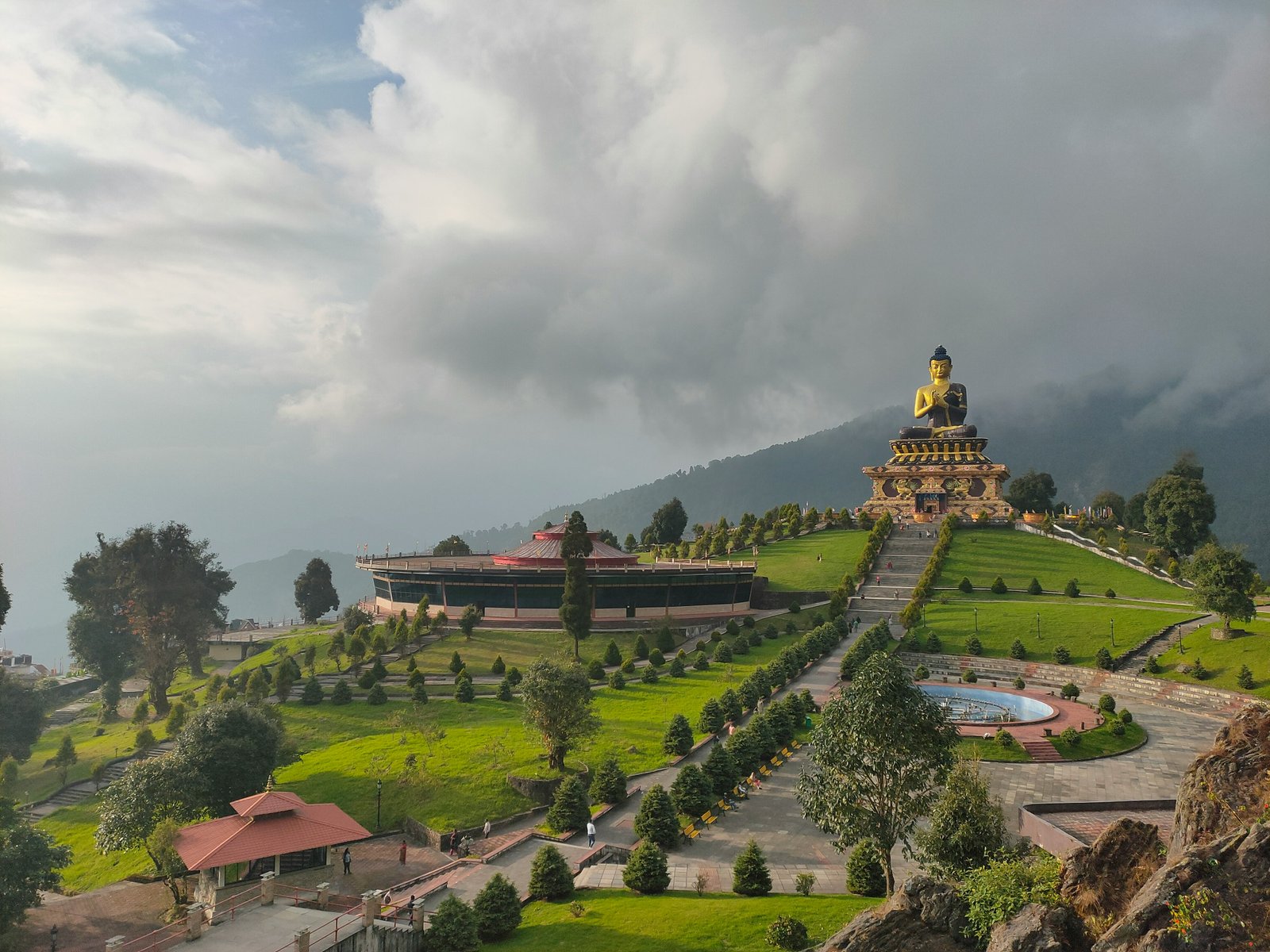
Located atop a hill in Kuensel Phodrang Nature Park, this massive 169-foot statue of Shakyamuni Buddha is made of bronze and gilded in gold. What makes it truly extraordinary is that it houses 125,000 smaller Buddha statues inside. The viewpoint offers an unmatched panoramic view of the entire Thimphu valley.

Tashichho Dzong

This impressive fortress-monastery is the administrative and religious center of Bhutan. It houses the throne room of the King and the offices of the central monk body. Visitors are allowed inside only after government working hours. The architecture, particularly the central tower (utse), is magnificent.

Motithang Takin Preserve

Visit the preserve dedicated to the Takin, the national animal of Bhutan. According to local mythology, this unique animal, which looks like a cross between a goat and an antelope, was created by the "Divine Madman" Lama Drukpa Kunley. It is a highly unique wildlife spotting opportunity right inside the city.

Travel Checklist

What to Pack for Thimphu

Exploring the capital requires adherence to Bhutan's strict cultural dress codes and preparation for the cool Himalayan climate.

Strict Modest Wear

Bhutan enforces a strict dress code for entering Dzongs and temples. You MUST wear full-length trousers and shirts with collars and long sleeves. T-shirts, shorts, hats, and unbuttoned jackets are strictly prohibited inside the Tashichho Dzong.

Winter Layers

Even during the spring and autumn months, the evenings and early mornings in Thimphu (at 7,600+ feet) are very chilly. A good quality fleece or down jacket is essential for walking around the city after sunset.

Accepted Currency

The Bhutanese Ngultrum (BTN) is pegged at par with the Indian Rupee (INR). Indian ₹100 and ₹500 notes are widely accepted in Thimphu's shops and restaurants. However, Indian ₹2000 notes are not legally accepted. Digital Indian UPI will not work.

Slip-on Walking Shoes

You will be doing a significant amount of walking around the Buddha Dordenma complex and the massive Dzong courtyards. Comfortable walking shoes are vital. Slip-ons are convenient as you must remove footwear before entering the temple altars.

Quick Facts

  • Avg Temp: 5°C to 20°C
  • Elevation: 7,656 ft (2,334m)
  • SDF Fee: ₹ 1,200 / Night
  • Nearest Airport: Paro (PBH)
  • Drive from Border: ~4.5 Hrs (Phuentsholing)

Thimphu Climate & Best Time to Visit

Because Thimphu is situated in a high-altitude Himalayan valley, its weather is distinct and plays a huge role in the sightseeing experience. Read our seasonal guide carefully:

Autumn (September to November) - The Peak Festival Season

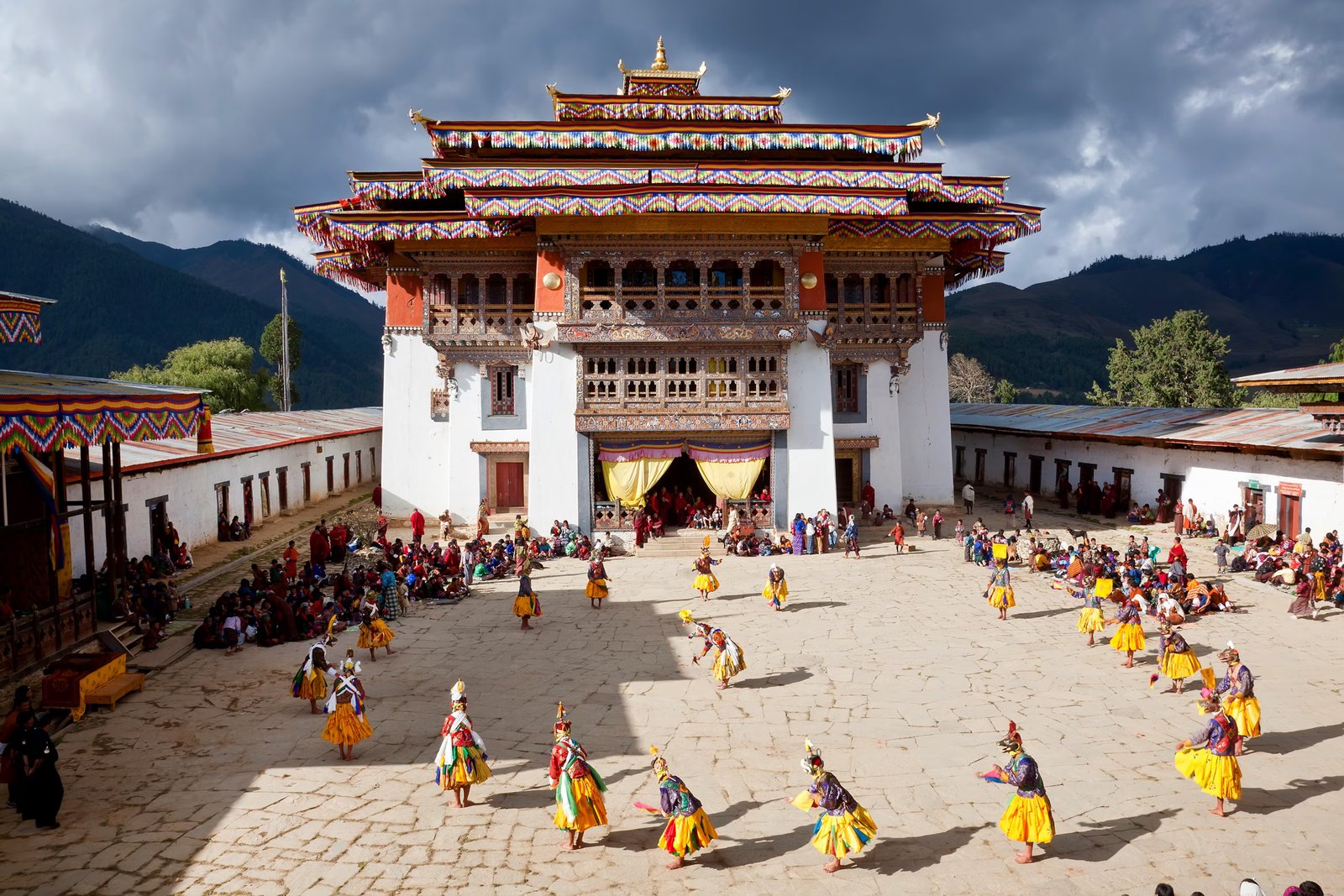
This is arguably the best time to visit Thimphu. The skies are brilliantly clear, offering stunning views of the surrounding mountains and the Buddha Dordenma. Most importantly, the famous Thimphu Tshechu (the biggest annual religious festival in Bhutan) takes place in the Tashichho Dzong courtyard during late September or early October. Expect large crowds and a deeply vibrant atmosphere.

Spring (March to May) - Beautiful Blooms

Spring is the second most popular season. The weather is dry and mildly warm during the day. The valleys surrounding Thimphu and the road up from Phuentsholing burst into color with blooming rhododendrons and jacaranda trees.

Winter (December to February) - Cold & Quiet

Winter in Thimphu is freezing, particularly at night. However, if you can brave the cold, the daytime skies are crystal clear. You will encounter far fewer tourists, making visits to the Dzongs and museums incredibly peaceful. Light snowfall occasionally occurs.

Monsoon (June to August) - Cloudy & Wet

The monsoon season brings heavy rain and thick clouds that often obscure the views of the Buddha Dordenma. While the city remains operational, the scenic drive up from the Jaigaon/Phuentsholing border can be treacherous due to fog and minor landslides.

Other Nearby Attractions

Explore the surrounding landmarks of the Dragon Kingdom.

Tiger's Nest Monastery Paro Bhutan
Must Visit Trek

Tiger's Nest (Paro)

The most iconic landmark in Bhutan. A sacred cliffside monastery requiring a rigorous 3-hour uphill hike. Located roughly 1.5 hours away from Thimphu in the Paro Valley.

Punakha Dzong Bhutan
Heritage Fortress

Punakha Dzong

Arguably the most beautiful Dzong in Bhutan, sitting majestically at the confluence of two rivers. Located about 2.5 hours from Thimphu, crossing the scenic Dochula Pass.

Chele La Pass Bhutan
High Altitude

Chele La Pass

The highest motorable pass in Bhutan (13,000 feet) separating Paro and Haa valleys. Famous for heavy prayer flags and sweeping views of the snow-capped Mt. Jomolhari.

Trending Bhutan Tour Packages

Secure your border transit and permits by booking a complete master itinerary.

Bhutan Short 4 Nights 5 Days Tour
Quick Escape
4.8

Bhutan Short Tour (4N/5D)

A quick dive into the Thunder Dragon kingdom. Enter via Jaigaon, explore the capital city of Thimphu, and complete the iconic Tiger's Nest hike in Paro.

Cab Type: Border Drop SUV

Custom Price On Request
Bhutan Classic Tour Punakha
Bestseller Classic
4.9

Bhutan Classic Tour (6N/7D)

Covers the golden triangle of Bhutan: Paro, Thimphu, and Punakha. Includes Dochula Pass, Punakha Dzong, and the Tiger's Nest.

Cab Type: Border Drop SUV

Custom Price On Request
Dooars and Bhutan Combo Tour
Multi-Country Combo
4.8

Dooars & Bhutan Combo

Start with thrilling wildlife safaris in the Indian Dooars (Jaldapara), then seamlessly cross the border into Jaigaon for a complete Bhutan circuit.

Cab Type: Border Drop SUV

Custom Price On Request

Travel Guides & Permit Information

Read our expert insights to navigate Bhutan's strict entry rules and SDF fees.

Bhutan Permit Guide
Permits & Law

Bhutan SDF & Permit Guide 2026

A complete guide to acquiring Bhutan entry permits at the Jaigaon/Phuentsholing border, understanding the new Sustainable Development Fee (SDF), and necessary documents.

Read More →
Best time to visit Bhutan
Travel Tips

Best Time to Visit Bhutan

Learn about Bhutan's seasonal shifts, from the blooming Rhododendrons in Spring to the famous Thimphu Tshechu festival in Autumn. Plan your itinerary accordingly.

Read More →
Car Rental Siliguri
Transportation

Bagdogra to Bhutan Border Taxi

Discover everything you need to know about navigating the 160 KM highway drive from Bagdogra Airport to the Jaigaon/Phuentsholing gate safely.

Read More →

Comprehensive Travel Guide: Planning Your Thimphu Sightseeing & Border Transit

Transit from NJP/Bagdogra to the Jaigaon Border

To explore Thimphu, the capital of Bhutan, the vast majority of Indian tourists choose to enter by road through the southern border. The primary entry point is the Indian town of Jaigaon, located directly opposite the Bhutanese gate of Phuentsholing. Because direct flights into Paro International Airport are limited and highly expensive, arriving at Bagdogra Airport (IXB) or New Jalpaiguri (NJP) Railway Station in West Bengal is the most practical and cost-effective choice.

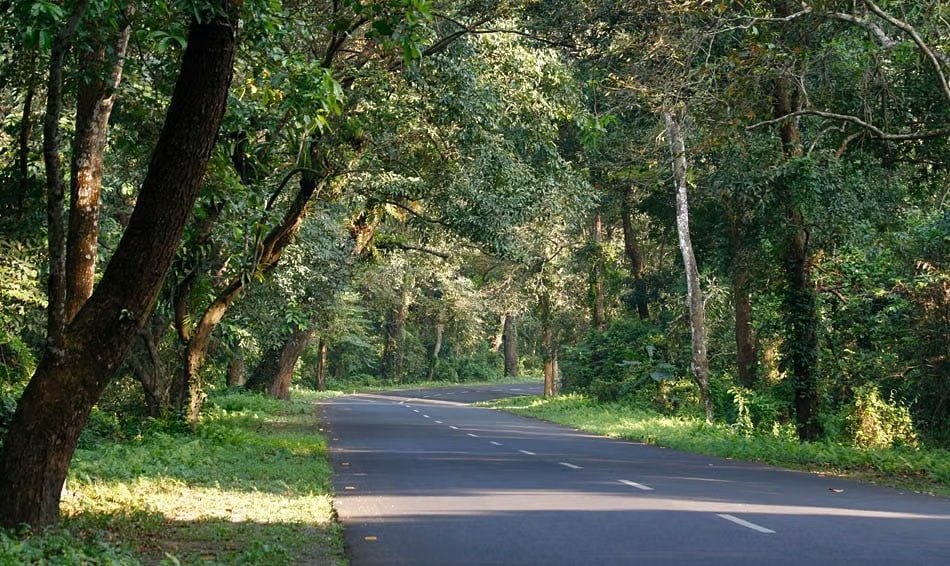
The distance from Siliguri to the Jaigaon border is approximately 160 kilometers, a journey taking 4 to 4.5 hours through the beautiful tea estates and forests of the Dooars region. By booking a dedicated Bagdogra to Jaigaon taxi through Siliguri Cab Rental, you secure a highly comfortable, private outstation drop directly to the immigration gates. Once you clear customs and pay your SDF in Phuentsholing, you will switch to your pre-booked Bhutanese vehicle to proceed up the highly scenic, winding mountain road to Thimphu (an additional 4 to 5 hour drive).

Understanding Thimphu Sightseeing Logistics

Thimphu is spread across a large, steep valley. Key attractions like the Buddha Dordenma and the Motithang Takin Preserve are located high up on the hillsides surrounding the city center, while the Tashichho Dzong sits down by the river. Walking between these destinations is not feasible due to the steep inclines and high altitude (over 7,600 feet).

You will absolutely need a dedicated local Bhutanese taxi for your Thimphu sightseeing. Furthermore, timing is critical. Entry to the Tashichho Dzong is only permitted after 5:30 PM on weekdays (after government officials finish their work) or during the weekends. Planning your day to visit the high-altitude Buddha Point in the morning for clear skies and the Dzong in the evening is the standard, optimized itinerary.

Important Bhutan Regulations and SDF Requirements

Before planning your trip, you must be aware of Bhutan's strict tourism policies under their "High Value, Low Volume" strategy. Indian nationals must process an entry permit at the Phuentsholing border and pay a mandatory Sustainable Development Fee (SDF) of ₹1,200 per person, per night for the duration of their stay. You must possess an original, valid Indian Passport or Voter ID to obtain the permit. Aadhar cards are not accepted.

Additionally, Indian commercial vehicles (like our Siliguri-based cabs) face severe restrictions and exorbitant fees to enter deep into Bhutan. This is why the standard, most economical practice is to use our Indian cabs for a comfortable "Border Drop" to Jaigaon, and then hire local Bhutanese transport for the duration of your stay inside the country.

Thimphu Travel FAQ

Common questions about dress codes, currency, and border transit.

What is the dress code to enter the Tashichho Dzong?

Bhutan strictly enforces modest dress codes for all Dzongs and temples. Both men and women MUST wear full-length trousers (no shorts or short skirts) and shirts with collars and long sleeves. Hats, caps, and umbrellas must be removed before entering the courtyard. Jackets must be fully zipped or buttoned up.

Will your Indian taxi drop me directly at my hotel in Thimphu?

No. Indian commercial vehicles face severe restrictions and exorbitant daily permit fees (over ₹4,500 per day) to enter deep into Bhutan. Our outstation cabs provide a seamless, comfortable drop from Bagdogra Airport or NJP directly to the Jaigaon border gate. Once you clear immigration in Phuentsholing, you must use a pre-booked local Bhutanese vehicle to travel to Thimphu.

Can I use Indian Rupees (INR) in Thimphu?

Yes, the Bhutanese Ngultrum (BTN) is pegged at par with the Indian Rupee. Indian denominations of ₹100, ₹200, and ₹500 are widely and legally accepted in shops and restaurants across Thimphu. However, Indian ₹2000 notes are not accepted. Also, Indian digital payment systems like UPI do not work in Bhutan, so carrying hard cash is essential.