Call Now WhatsApp
Tiger's Nest Monastery Paro Bhutan Bhutan Pilgrimage Trek Paro Valley Views
Sacred Cliffside Monastery

Tiger's Nest (Paro Taktsang)

Embark on a spiritual hike to Bhutan's most iconic landmark, perched precariously 3,000 feet above the Paro Valley. Book our premium Bagdogra to Jaigaon border transit cabs to begin your Himalayan expedition.

Elevation

10,240 Feet (3,120 m)

Trek Duration

4 to 6 Hrs Roundtrip

Entry Requirement

Bhutan SDF & Permit

Why Visit Tiger's Nest?

Guru Rinpoche's Cave

Cliffside Architecture

Pine Forest Hike

Panoramic Valley Views

Pony Ride Options

Halfway Cafeteria

Attraction Overview

Paro Taktsang, globally renowned as Tiger's Nest, is arguably the most famous and breathtaking destination in Bhutan. Clinging precariously to a sheer cliff face roughly 3,000 feet (900 meters) above the Paro Valley floor, this sacred Vajrayana Himalayan Buddhist site was built in 1692. Legend states that Guru Rinpoche, the father of Bhutanese Buddhism, flew to this exact cave on the back of a tigress to meditate for three years, three months, three weeks, and three days.

Reaching the monastery requires a strenuous but highly rewarding hike through beautiful blue pine forests, passing water-powered prayer wheels and thousands of colorful prayer flags. The trek takes most visitors about 2 to 3 hours to ascend and another 1.5 to 2 hours to descend. For Indian and international tourists starting their journey from West Bengal, Siliguri Cab Rental provides direct, comfortable outstation drops to the Jaigaon-Phuentsholing border, ensuring you cross into Bhutan completely stress-free to begin your pilgrimage to Paro.

Bagdogra/NJP to Jaigaon Border

Hatchback (WagonR/Swift)

Max 4 Pax | Budget Drop

₹ 3,500 Approx

Sedan (Dzire / Etios)

Max 4 Pax | Premium Comfort

₹ 4,000 Approx

SUV (Innova / Xylo)

Max 6 Pax | Spacious Transit

₹ 5,000 Approx

WhatsApp Us

*Fares are for point-to-point drops to the Jaigaon/Phuentsholing border gate.

The Tiger's Nest Experience

Navigate the spiritual hike and discover the mysteries of the cliffside temple.

The Uphill Hike

The trail begins at the valley floor. The path is wide and composed of dirt and rocks, zig-zagging up the mountain through dense pine forests. The hike is physically demanding due to the constant incline and the thinning air as you cross 10,000 feet. Take frequent breaks and stay highly hydrated.

The Taktsang Cafeteria

Located exactly halfway up the trail, the Taktsang Cafeteria is a welcome rest stop. Here, you can enjoy hot tea, biscuits, and a vegetarian lunch while taking in the first clear, unobstructed views of the monastery towering above you. For those riding horses, this is where the horse ride ends.

The Final 800 Stairs

The last leg of the journey involves descending a massive stone staircase past a stunning waterfall, and then climbing another steep flight of stairs directly into the monastery. Once inside, you can visit the multiple shrines, light butter lamps, and experience profound peace in the meditation caves.

Travel Checklist

What to Pack for the Trek

Conquering Tiger's Nest requires sturdy gear for the hike and strict adherence to Bhutan's cultural dress codes once you reach the top.

Heavy-Duty Trekking Shoes

The trail is unpaved, dusty, and involves climbing hundreds of stone stairs. Comfortable, broken-in trekking boots or high-grip sports shoes are non-negotiable. Do not attempt this hike in sandals or flat fashion shoes.

Modest Temple Wear

Bhutan strictly enforces dress codes for religious sites. You will be denied entry to the monastery if you wear shorts, skirts, hats, or sleeveless shirts. Wear full-length trousers and pack a collared shirt or jacket to put on before entering.

Walking Sticks & Water

A trekking pole (which can often be rented at the base) significantly reduces the strain on your knees during the steep descent. Carry at least 2 liters of water per person, as hydration is key to avoiding altitude sickness.

Locker Prep

Absolutely no photography or videography is allowed inside the temple complex. You will be required to deposit your backpack, mobile phones, and cameras in the free security lockers at the monastery entrance.

Quick Facts

  • Avg Temp: 5°C to 20°C
  • Elevation: 10,240 ft (3,120m)
  • Entry Fee: Nu 1,000 (~₹1000)
  • Nearest Airport: Paro (PBH)
  • Base Distance: 12 KM from Paro City

Tiger's Nest Climate & Best Time to Trek

Because Tiger's Nest sits at a high altitude, weather profoundly impacts the difficulty of the hike and the visibility of the monastery. Read our seasonal guide carefully:

Spring (March to May) - Peak Trekking Season

This is widely considered the best time to hike Tiger's Nest. The weather is dry and mildly warm during the day. The pine forests along the trail are lush, and the valleys below bloom with rhododendrons. Start your hike early (by 7:00 AM) to avoid the mid-day sun and heavy tourist crowds.

Autumn (October to November) - Crisp & Clear

Following the monsoon, the skies clear up completely. The air is crisp, and the visibility of the monastery clinging to the cliff is unparalleled. It provides the best lighting for photography from the halfway point. Temperatures drop quickly in the afternoon, so carrying a jacket is necessary.

Winter (December to February) - Cold & Quiet

Winter in Paro is freezing, particularly in the mornings. While the skies are often brilliantly blue, the trail can become covered in snow or frost, making the steep ascents and descents slippery and dangerous. If trekking in winter, layered clothing and superb grip shoes are mandatory.

Monsoon (June to September) - Highly Treacherous

Hiking is highly discouraged during heavy monsoons. The dirt trail turns into thick, slippery mud, making the climb exhausting and descent perilous. Thick fog and low clouds frequently obscure the view of the monastery entirely, ruining the visual reward of the trek.

Other Nearby Attractions

Explore the surrounding landmarks of the Dragon Kingdom.

Punakha Dzong Bhutan
Heritage Fortress

Punakha Dzong

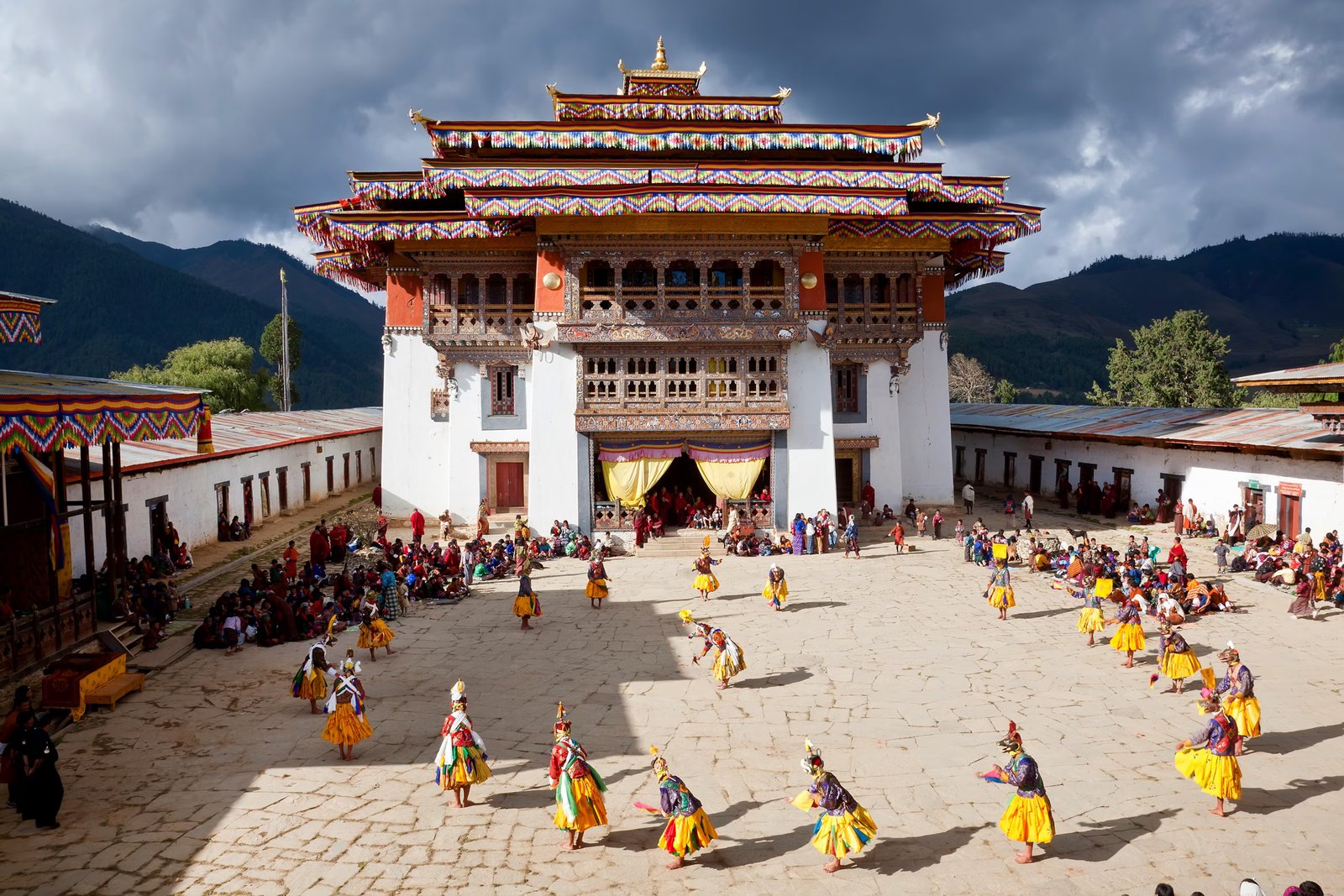
Arguably the most beautiful Dzong in Bhutan, sitting majestically at the confluence of two rivers. A must-visit destination after completing the Paro Taktsang trek.

Thimphu City Sightseeing
Capital City

Thimphu City

The vibrant capital of Bhutan. Visit the massive Buddha Dordenma statue, the National Memorial Chorten, and explore a city operating without traffic lights.

Chele La Pass Bhutan
High Altitude

Chele La Pass

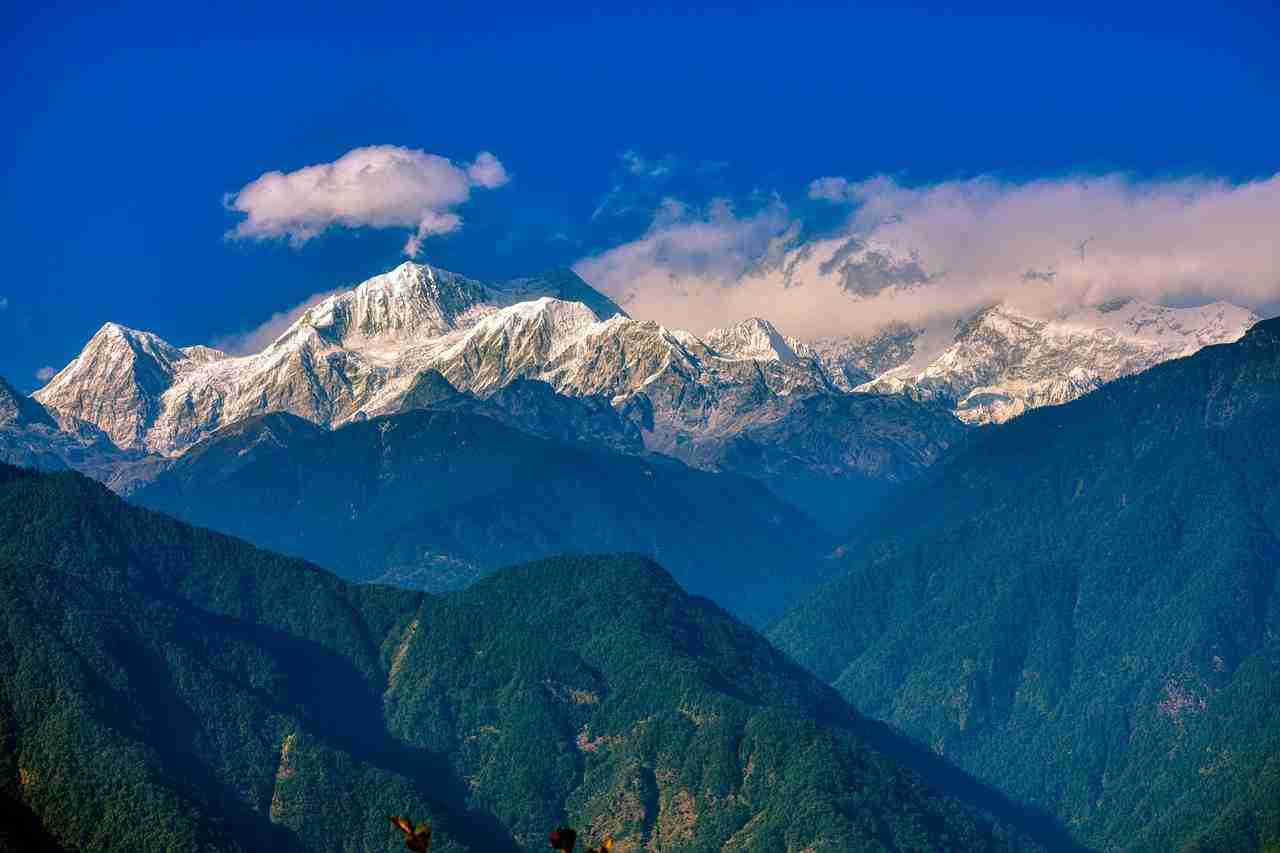
The highest motorable pass in Bhutan (13,000 feet) separating Paro and Haa valleys. Famous for heavy prayer flags and sweeping views of Mt. Jomolhari.

Trending Bhutan Tour Packages

Secure your border transit and permits by booking a complete master itinerary.

Bhutan Short 4 Nights 5 Days Tour
Quick Escape
4.8

Bhutan Short Tour (4N/5D)

A quick dive into the Thunder Dragon kingdom. Enter via Jaigaon, explore the capital city of Thimphu, and complete the iconic Tiger's Nest hike in Paro.

Cab Type: Border Drop SUV

Custom Price On Request
Bhutan Classic Tour Punakha
Bestseller Classic
4.9

Bhutan Classic Tour (6N/7D)

Covers the golden triangle of Bhutan: Paro, Thimphu, and Punakha. Includes Dochula Pass, Punakha Dzong, and the Tiger's Nest.

Cab Type: Border Drop SUV

Custom Price On Request
Dooars and Bhutan Combo Tour
Multi-Country Combo
4.8

Dooars & Bhutan Combo

Start with thrilling wildlife safaris in the Indian Dooars (Jaldapara), then cross the border into Jaigaon for a complete Bhutan circuit.

Cab Type: Border Drop SUV

Custom Price On Request

Travel Guides & Permit Information

Read our expert insights to navigate Bhutan's strict entry rules and SDF fees.

Bhutan Permit Guide
Permits & Law

Bhutan SDF & Permit Guide 2026

A complete guide to acquiring Bhutan entry permits at the Jaigaon/Phuentsholing border, understanding the new Sustainable Development Fee (SDF), and necessary documents.

Read More →
Best time to visit Bhutan
Travel Tips

Best Time to Visit Bhutan

Learn about Bhutan's seasonal shifts, from the blooming Rhododendrons in Spring to the famous Tsechu festivals in Autumn. Plan your Paro itinerary accordingly.

Read More →
Car Rental Siliguri
Transportation

Bagdogra to Bhutan Border Taxi

Discover everything you need to know about navigating the 160 KM highway drive from Bagdogra Airport to the Jaigaon/Phuentsholing gate.

Read More →

Comprehensive Travel Guide: Planning Your Tiger's Nest Hike & Border Transit

Transit from NJP/Bagdogra to the Jaigaon Border

To embark on the legendary hike to Tiger's Nest (Paro Taktsang), the vast majority of Indian tourists choose to enter Bhutan by road through the southern border. The primary entry point is the Indian town of Jaigaon, located directly opposite the Bhutanese gate of Phuentsholing. Because flights into Paro International Airport are limited and highly expensive, arriving at Bagdogra Airport (IXB) or New Jalpaiguri (NJP) Railway Station in West Bengal is the most practical choice.

The distance from Siliguri to the Jaigaon border is approximately 160 kilometers, a journey taking 4 to 5 hours through the beautiful Dooars region. Relying on public buses is exhausting. By booking a dedicated Bagdogra to Jaigaon taxi through Siliguri Cab Rental, you secure a highly comfortable, private outstation drop directly to the immigration gates. Once you clear customs and pay your SDF in Phuentsholing, you will switch to your pre-booked Bhutanese vehicle to proceed up the mountains to Paro.

Understanding the Trek Logistics & Difficulty

The trek to Tiger's Nest is universally considered challenging but manageable for most people with average fitness. The base of the trail sits at approximately 7,500 feet, and the monastery is located at 10,240 feet. The total elevation gain is steep. The dirt trail zig-zags up the pine-covered mountain, taking an average of 2 to 3 hours to ascend.

For those who cannot hike the entire distance, horses can be rented at the base. However, the horses only go halfway up, ending at the Taktsang Cafeteria (the primary viewpoint). From the cafeteria, every visitor must complete the final, most dramatic leg of the journey on foot: descending roughly 400 stone stairs past a massive waterfall, and climbing another 400 stairs directly up into the monastery. It is highly advised to start your hike as early as 7:00 AM to avoid the harsh mid-day sun and secure the best lighting for photographs.

Important Monastery Rules and SDF Requirements

Before planning your hike, you must be aware of Bhutan's strict cultural and tourism policies. Indian nationals must process an entry permit at Phuentsholing and pay a mandatory Sustainable Development Fee (SDF) of ₹1,200 per person, per night for the duration of their stay. You must also have an original, valid Indian Passport or Voter ID.

Once you reach the top of the cliff and enter the monastery grounds, strict rules apply. You must wear modest clothing that covers your arms and legs. Absolutely no photography or videography is permitted inside the temples. You will be required to deposit all electronic devices, cameras, and large backpacks in secure lockers near the security checkpoint before entering the sacred caves.

Tiger's Nest Travel FAQ

Common questions about the trek, horses, and border transit.

Can elderly people or children complete the Tiger's Nest hike?

It is very challenging. The steep incline and thinning air make it physically demanding. While healthy elderly individuals and children over 10 often complete it by taking frequent breaks, it is not recommended for those with severe heart, knee, or respiratory issues. Renting a horse to the halfway cafeteria is a good alternative, though the final 800 stairs must still be climbed on foot.

Will your Indian taxi drop me directly at the base of Tiger's Nest in Paro?

No. Indian commercial vehicles face severe restrictions and exorbitant fees to enter deep into Bhutan. Our outstation cabs provide a seamless, comfortable drop from Bagdogra Airport or NJP directly to the Jaigaon/Phuentsholing border gate. Once you clear immigration, you must use a pre-booked Bhutanese vehicle to travel to Paro.

Are there restrooms and food available during the hike?

Yes. There is a well-maintained cafeteria located exactly halfway up the trail. It offers hot tea, coffee, biscuits, and vegetarian buffet lunches, along with restroom facilities. However, it is highly recommended to carry your own water bottles and high-energy snacks (like chocolate or trail mix) for the journey up.